Connecting your services
DISCLAIMER
It’s important to understand that we are not electricians or plumbers. Therefore, in this section, we only provide basic guidance to help you get started with this particularly important topic. We strongly recommend involving a qualified professional for any type of system installation.
Most Glampex customers prefer off-grid solutions – for a variety of reasons we won’t go into here. The key point: if you choose to operate self-sufficiently, you must design water and energy storage systems with appropriate capacity to ensure smooth operation and a quality guest experience – under all circumstances.
Plumbing and Gas
To ensure comfort inside the dome, the following plumbing lines should be installed:
● Freshwater supply (for the kitchen, bathroom, and other wet areas),
● Greywater drainage (used but not contaminated water, e.g. from shower, sink),
● Blackwater drainage (from toilets and other wastewater sources).
Utility Connection (on-grid solution)
If you plan to connect your property to the municipal utilities, it’s essential to notify the local authorities and obtain their approval. During implementation, a detailed site plan of the piping layout must be created, which will be essential for any future maintenance work.
Off-Grid Water Supply
Due to extreme weather conditions, it is very important to establish sufficient water storage capacity. You can choose from – or combine – the following solutions:
- Pumping rainwater collected from the dome into a tank, then using gravity to return it to the dome.
- Letting rainwater from the dome flow into a tank by gravity, and then pumping it back – this is our recommended option, as the pump noise is less noticeable.
- Pumping water collected from another roof (e.g. house, garage, storage shed) to the dome – this is feasible if distance and terrain allow.
- Collecting and purifying water from a pond or reservoir.
- Collecting and treating spring or groundwater.
Since it’s difficult to estimate rainfall quantity and distribution in the first few years, it’s advisable to talk to local residents for a clearer picture of the region’s climate patterns.
Additional Considerations
It’s also important to plan the wastewater treatment system and the type of toilet. The market offers several options, including:
● Traditional flush toilet,
● Micro-flush system,
● Composting or dry toilet,
● Incinerating toilet.
There are also combined greywater and blackwater treatment systems that comply with official regulations and sustainability standards. These are essential for all types of accommodation units – whether domes, tiny houses, yurts, or other lodging options.
Gas Supply
Gas is often an excellent alternative to high-energy electric appliances – such as for heating, cooking, and even some refrigerators or climate systems. This is especially beneficial if you want to avoid building an expensive, oversized solar setup.
The downside is that gas cylinders need to be replaced periodically, and a dedicated gas hookup point must be installed – this can only be done by a certified gas technician.
Electrical System and Climate Control
Basic Electrical Network
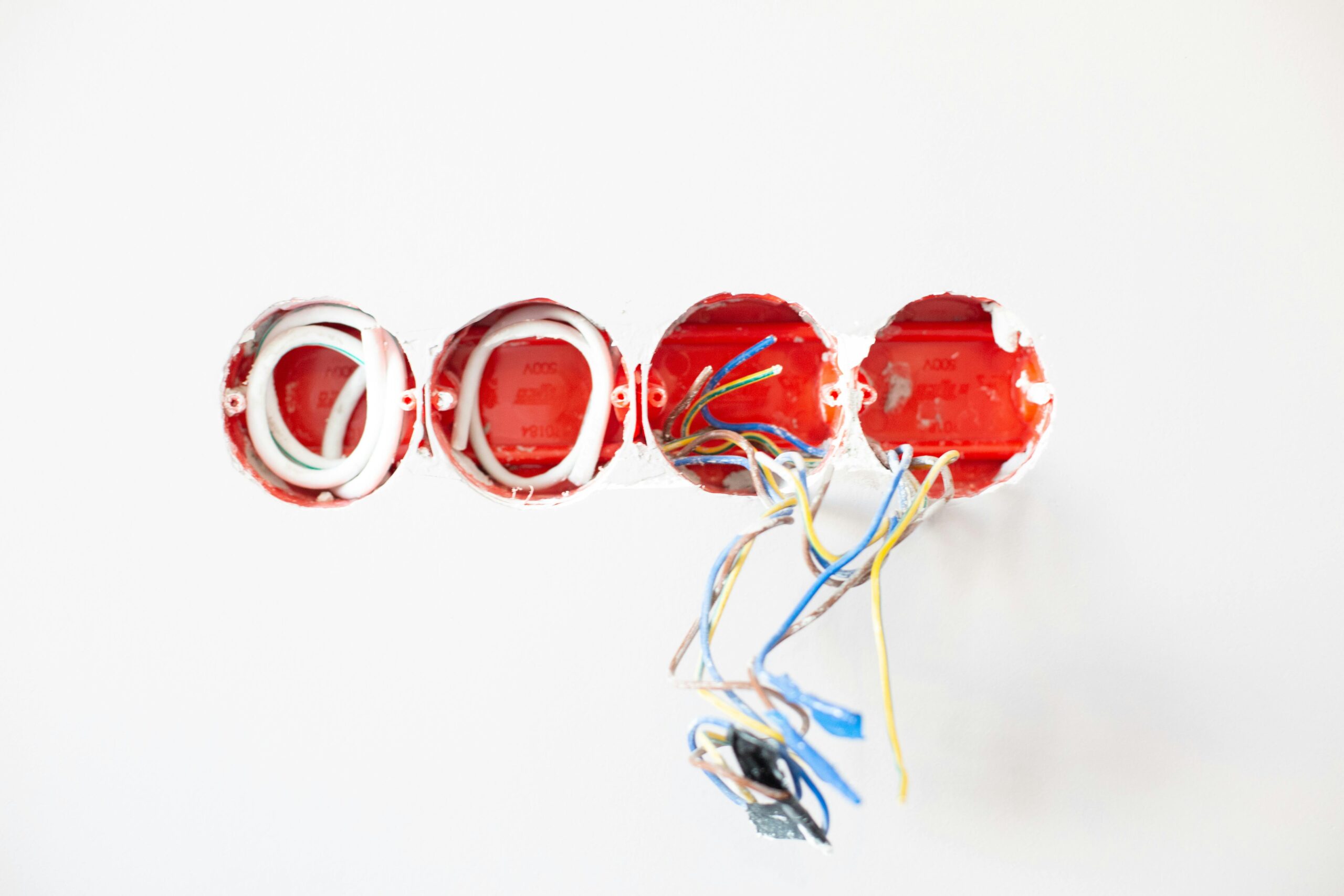
Wiring is required for the dome’s internal lighting, sockets, and other electrical appliances – it must be installed safely and in compliance with applicable standards.
On-Grid
If connecting to the public electrical grid, you must notify your local government, and it is strongly recommended to create detailed documentation of all electrical system components. Handling grid electricity must always be done by a certified electrician due to life-threatening risks.
Off-Grid
The most popular self-sufficient power source is a solar system, but other options exist: wind and water turbines, and generators – the latter being especially useful as backup.
When designing your system, consider:
● Local weather and number of sunshine hours,
● Trees or any shading elements,
● Terrain and mountain shadows,
● The sun’s path across seasons.
It’s also crucial to size your battery storage system correctly, as this determines how long you can maintain power during cloudy or rainy periods. Various battery types are available, each suited to different climates and usage patterns.
It may be helpful to consult a local electrician or solar installer, and to gather insights from nearby residents.
Climate Control
Depending on your climate, it may be worth installing a heating/cooling air conditioning system or a mini-split unit. We recommend a 3.5 kW capacity system, as this is ideal for efficiently cooling or heating these spaces all year round. However, keep in mind that climate systems consume significant energy, and guests tend to leave them running continuously when available.
So, if you opt for this solution, make sure to include the energy demand of the climate control in your total system capacity – in terms of storage, production, and usage alike.
Finally, remember that planning your energy and water systems is closely connected to the dome’s foundation method, which we will detail in the next section.
Next steps
Continue to the next step, or go back.
 EN
EN  HU
HU